

Pigmentation Ultra Laser Treatment Gallery
$$MultiPurposeText$$
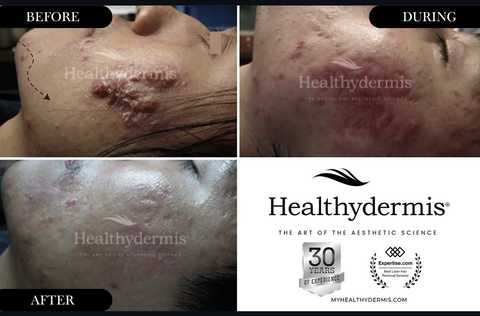
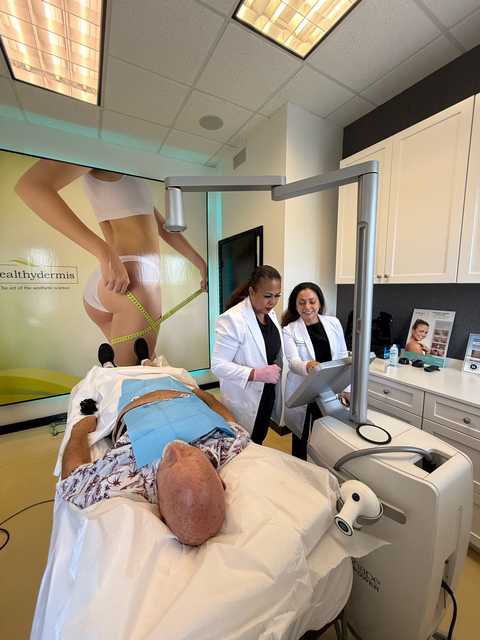
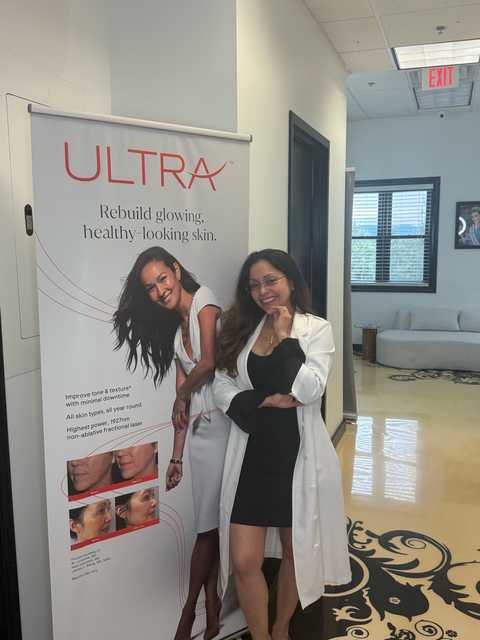
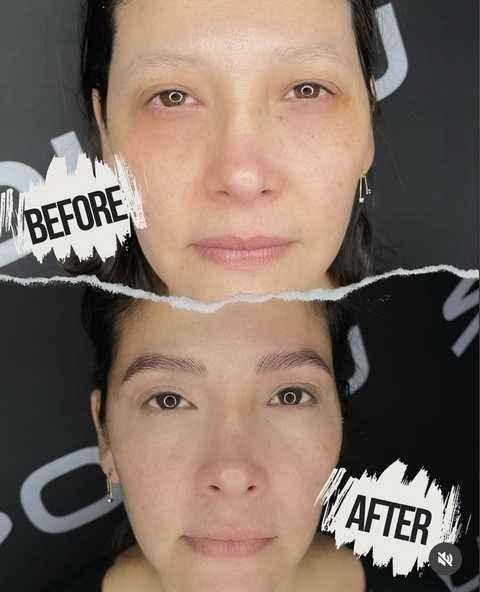
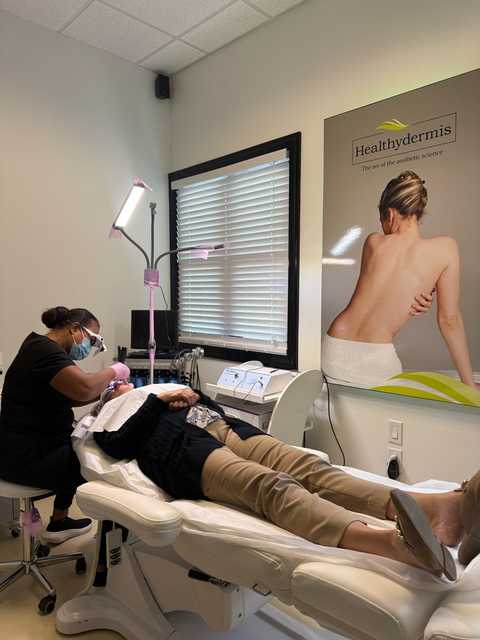
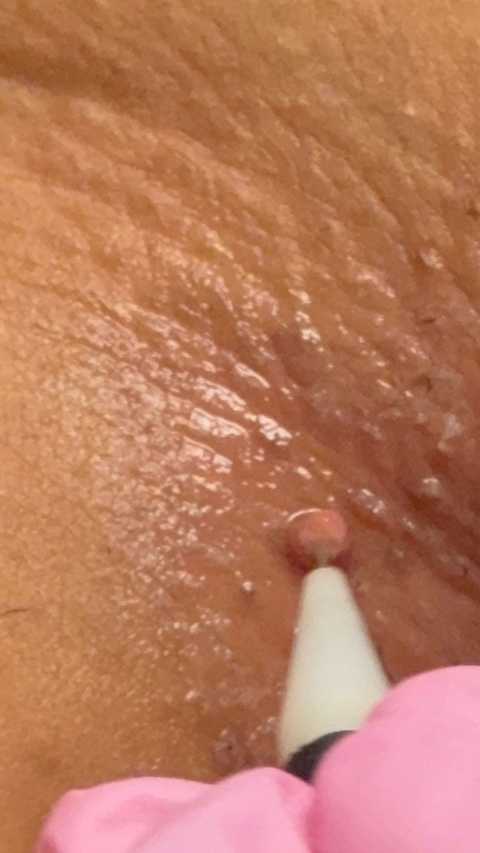
See examples of our Pigmentation Ultra Laser Treatment work and results.




What Our Clients Say
$$MultiPurposeText$$
Read testimonials from our satisfied customers

Fantastic customer service. I got the ultra laser MD treatment and they walked me through ...more

I’m so happy with the results of my pigmentation treatment on my elbows.💗 I’m on my secon...more

I had a great experience at Healthydermis. The staff are very professional, and Mabir is t...more

(Translated by Google) I've been coming to Healthydermis for 16 years, and they've truly t...more

Frequently Asked Questions
Get answers to common questions about Pigmentation Ultra Laser Treatment.
The treatment uses targeted laser wavelengths to break melanin clusters into smaller particles. Your body then naturally clears these fragments while controlled energy stimulates skin renewal, leading to gradual fading of dark spots and a more even complexion over several sessions.
Yes with evaluation: our clinicians assess your skin type and select appropriate wavelengths and settings. Darker skin tones may require specific protocols or test patches to reduce risks of hypopigmentation or hyperpigmentation, ensuring a safe, customized approach.
Most clients need between three and six sessions, spaced four to six weeks apart. The exact number depends on pigmentation depth, size, and skin response. Your provider will create a personalized plan and adjust treatments based on visible improvement.
Recovery is typically mild: redness, light swelling, or flaking for a few days to a week. Avoid direct sun, use broad-spectrum sunscreen, and follow aftercare instructions. Makeup may be used after initial healing; full results appear over weeks as pigment fades.
Yes for sunspots and age spots the laser is highly effective. Melasma can be more challenging and often requires combination therapy—topicals, maintenance, and sun protection—to control recurrence. A consultation will determine the best multi-modal strategy for your condition.
Common side effects are temporary redness, swelling, crusting, or mild pigment changes. Serious complications like scarring or permanent color changes are rare when treatments are performed by experienced specialists. Pre-treatment assessment and proper aftercare reduce risks significantly.